Centella asiatica, often labeled "cica", is a plant extract used in Korean skincare to calm redness, support a compromised skin barrier, and speed up recovery after irritation. It's one of the most researched calming ingredients in K-beauty, which is why it shows up in everything from creams to mists.
What it actually does
- Reduces redness and irritation: calms reactive, flushed skin quickly.
- Supports barrier repair: helps skin hold onto moisture instead of losing it.
- Soothes after actives: pairs well after retinol, acids, or a fresh breakout.
The active compounds behind it
Centella's calming effect comes down to a group of compounds called triterpenoids, mainly madecassoside, asiaticoside, and asiatic acid. These are what actually support collagen production and calm inflamed skin, not just the plant extract as a whole. When you see "madecassoside" listed separately on an ingredient label, that's the same family of compound, sometimes added on top of the whole centella extract for a stronger effect. Products that lead with these named actives, rather than just "centella asiatica leaf extract" buried mid-list, tend to be formulated for a stronger calming effect.
Who it's for
Sensitive, reactive, or barrier-compromised skin benefits most, but centella is gentle enough for almost any skin type, including oily and acne-prone skin, since it calms without adding heaviness.
How to use it
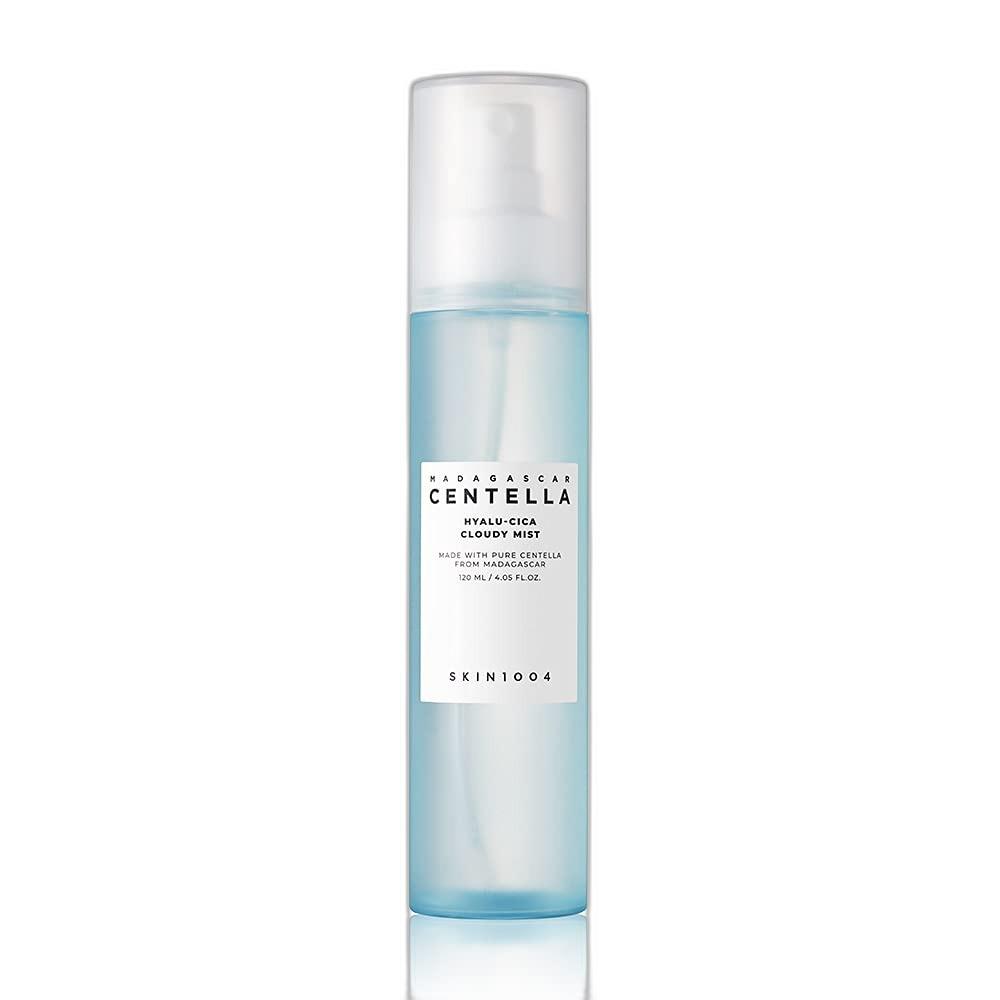
Centella works in nearly every format. A cream (like Madagascar Centella Cream) gives concentrated, all-day barrier support: best for dry or compromised skin. A centella mist (like Hyalu-Cica Cloudy Mist) is the lighter version: a quick way to cool down irritated skin, re-hydrate mid-day, or calm skin right after a facial or shave, without the weight of a cream.
Centella vs other calming ingredients
Niacinamide and centella often get grouped together, but they work differently. Niacinamide is better at controlling oil and fading dark marks over time; centella works faster on active redness and irritation. Allantoin is milder than both and mostly just softens and soothes, without much barrier-repair effect. A lot of K-beauty formulas combine centella with one or both, which is why you'll often see it listed alongside niacinamide on the same label rather than as a replacement for it.
Pairing it with the rest of your routine
Centella layers well under sunscreen, after exfoliating acids, or as a midday refresh over makeup. It won't disrupt other actives, which is part of why it's a routine staple rather than a one-off treatment.
Is cica the same as centella asiatica?
Yes, 'cica' is just the common K-beauty shorthand for centella asiatica.
Can I use a centella mist and a centella cream together?
Yes, and it's a common pairing: the mist for quick hydration throughout the day, the cream for concentrated overnight barrier repair.
How long does it take to see results from centella?
Redness and irritation usually calm down within a few days of regular use. Barrier repair takes longer, typically 2 to 4 weeks of consistent use before skin feels noticeably less reactive.
Can centella asiatica cause breakouts?
It's very unlikely on its own, since centella doesn't clog pores. If a centella product does cause breakouts, it's usually another ingredient in the formula (like a heavy oil) rather than the centella itself.