Monsoon humidity in Nepal creates a specific skincare problem: skin produces more oil to compensate for the moisture-heavy air, sweat mixes with that oil and sunscreen, and pores clog faster than in dry months. The instinct is to strip everything back. The better move is to adjust, not remove.
What changes during monsoon
- Oilier T-zone, even for normally dry or combination skin
- Faster makeup breakdown and a "sweaty film" feeling by midday
- More clogged pores and breakouts from sweat + humidity + product buildup
Adjust, don't skip
Switch to a lighter, gel-based moisturizer instead of dropping moisturizer entirely: skin still needs hydration, just in a lighter texture that won't add to the oily feeling. Keep sunscreen daily; UV doesn't take a break for rain clouds.
Ingredients that help during monsoon
Niacinamide is worth prioritizing during monsoon months since it helps regulate oil production over time, not just mattify on contact. If breakouts pick up, a salicylic acid (BHA) product 2-3 times a week helps keep pores clear, since it works inside the pore rather than just on the surface. Skip heavy, oil-based serums and thick creams during this stretch, they're the products most likely to feel unbearable once humidity climbs.
The mid-day refresh
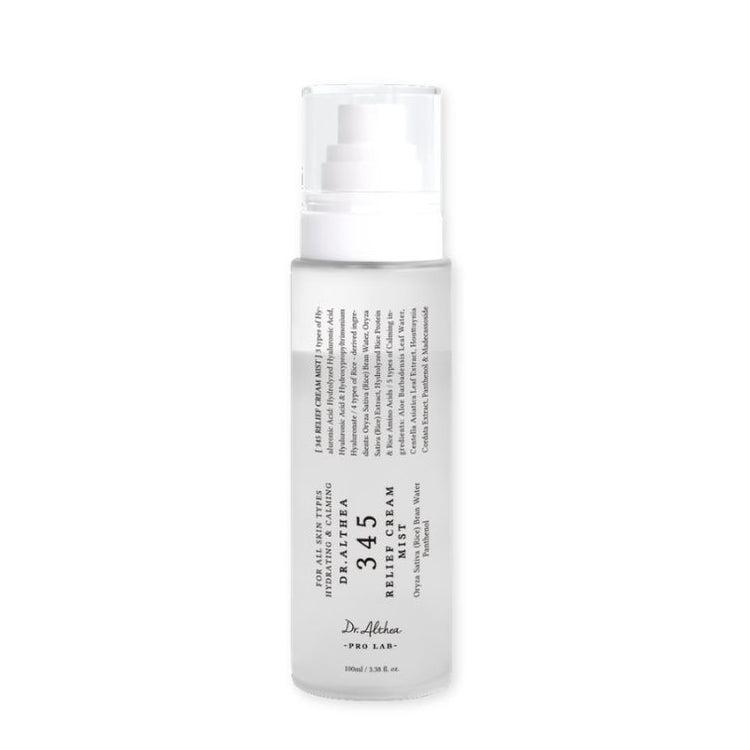
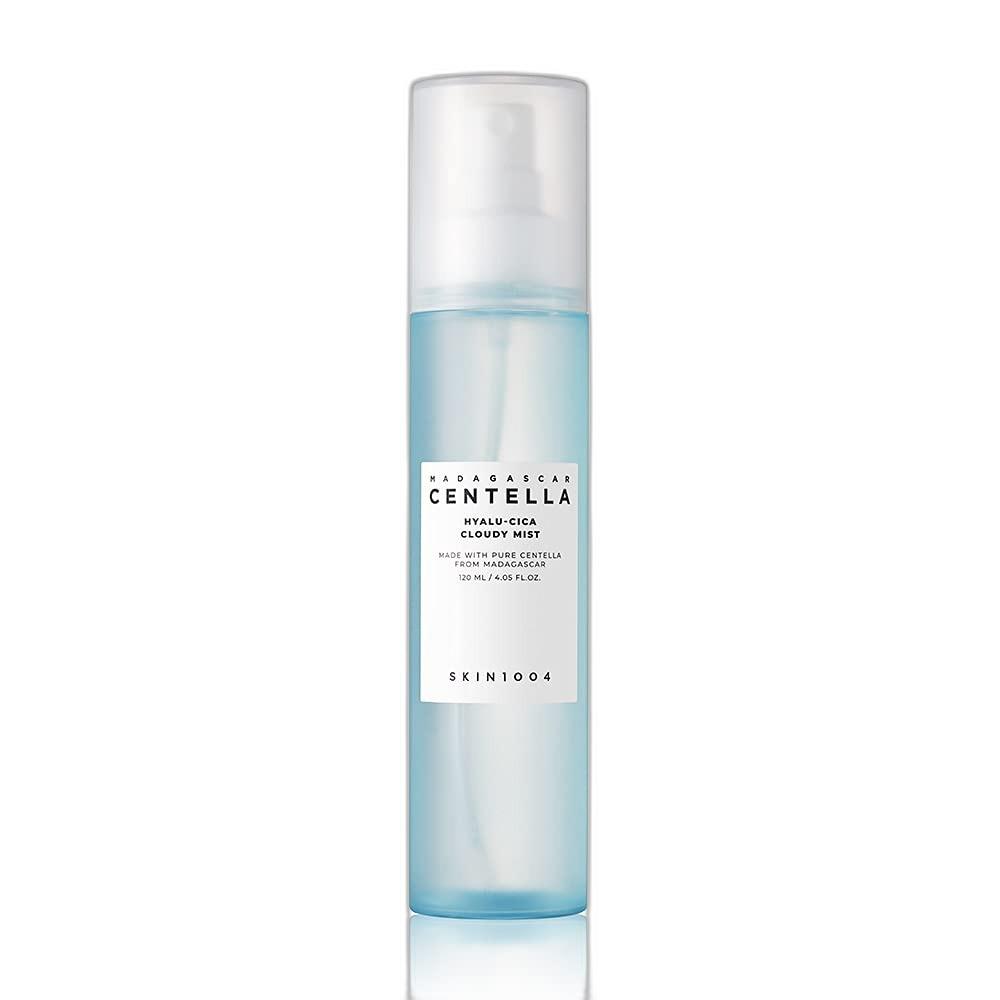
This is where a mist earns its place in a monsoon routine. Instead of washing your face multiple times a day (which strips skin and triggers even more oil production), a quick spritz of Hyalu-Cica Cloudy Mist cuts through the sweaty, heavy feeling and calms skin without disturbing sunscreen or makeup. If skin is reacting with redness or small breakouts, 345 Relief Cream Mist adds a calming layer without extra weight.
Watch for fungal acne
Small, uniform, itchy bumps that don't respond to normal acne treatment are often fungal (malassezia), which thrives in humidity. If your usual routine stops working during monsoon, that's often why, and it's worth switching to a lighter, oil-free routine rather than adding more products.
Storing your skincare during humid months
Humidity affects the products themselves, not just skin. Keep bottles and jars tightly closed between uses, and avoid leaving water-based products (mists, toners, essences) open on a bathroom counter where steam and moisture can get in, since that shortens their shelf life and, in rare cases, introduces bacteria. A cool, dry drawer works better than a humid bathroom shelf during monsoon.
Should I stop moisturizing during monsoon because skin feels oily?
No. Switch to a lighter, gel-based moisturizer instead of skipping it. Skipping moisturizer often makes oil production worse, not better.
How often should I wash my face during monsoon?
Twice a day is still the target: over-washing to fight oiliness usually backfires by triggering more oil production.
Is it normal for my skincare routine to stop working during monsoon?
Yes, this is common. Higher humidity and sweat change how skin behaves, so a routine built for dry-season skin can suddenly feel too heavy or trigger breakouts. Lightening your routine, not adding more steps, is usually the fix.
Can I use the same sunscreen during monsoon as the rest of the year?
You can, but a lighter, gel or fluid-textured sunscreen feels more comfortable in humidity than a thick cream-based one, and is less likely to mix with sweat and slide off.