Kathmandu sits at about 1,400 meters. UV gets stronger as you go higher, so the sun here is harsher than the number on your weather app suggests, even on a cool, hazy day. The SPF label on the bottle is only part of the story. What matters more is whether you will put it on properly, and put it on again at midday. A good formula you hate wearing is worth nothing.
Read both numbers
SPF tells you about UVB, the rays that burn. PA tells you about UVA, the rays that go deeper and are linked with ageing and dark marks. A label with a big SPF and no PA rating is only half an answer. Look for something like SPF50+ PA++++. Most Korean sunscreens print both, which is one reason I prefer them for daily use.
A higher number also does not mean you can skip reapplying. SPF50+ applied thinly gives less protection than the label says. Most people use too little. For the face, a generous amount is more than you think, and a pea-sized dab will not do it.
Texture decides everything
The sunscreen that works is the one you will reapply. If it is greasy, white or sticky, you will skip the second layer, and the second layer is the one that counts at noon, when Kathmandu's sun is at its worst. So think about your own skin and your own day.
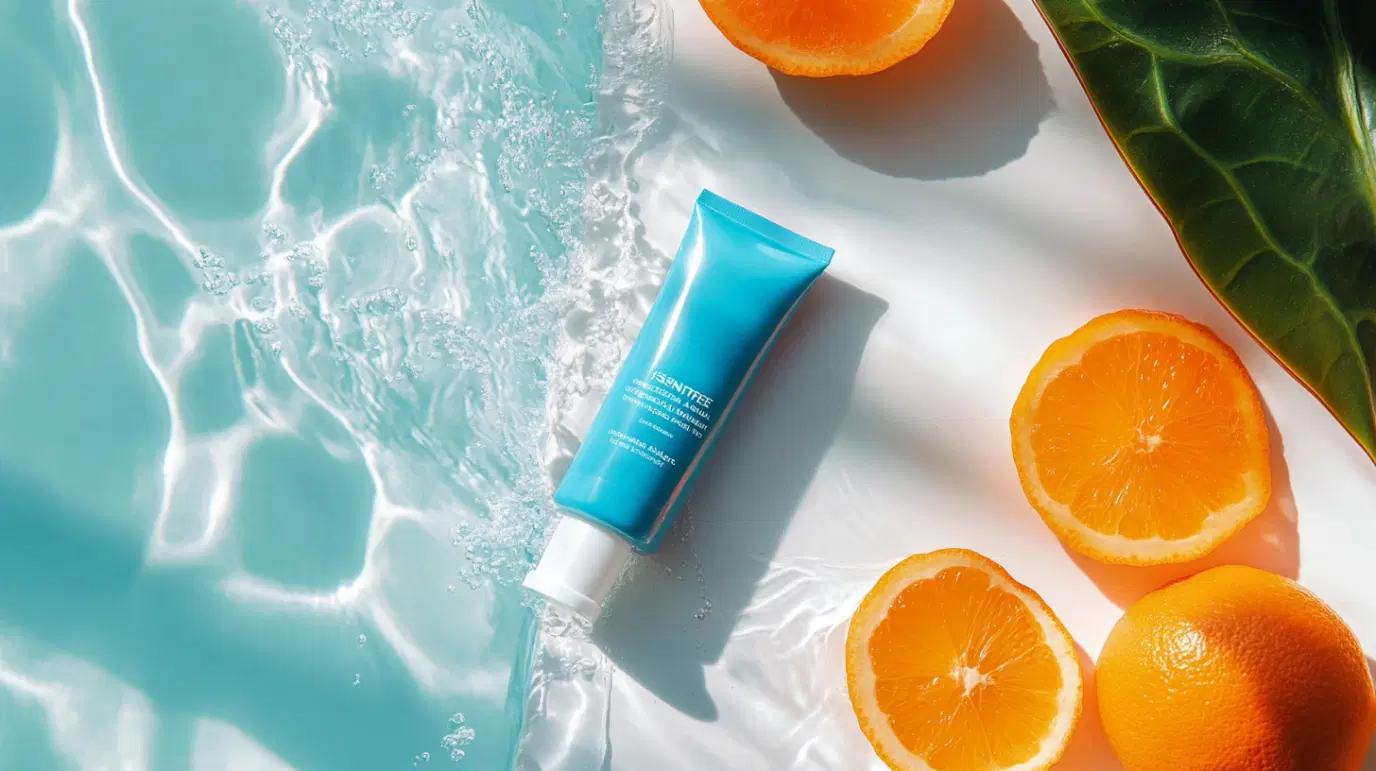
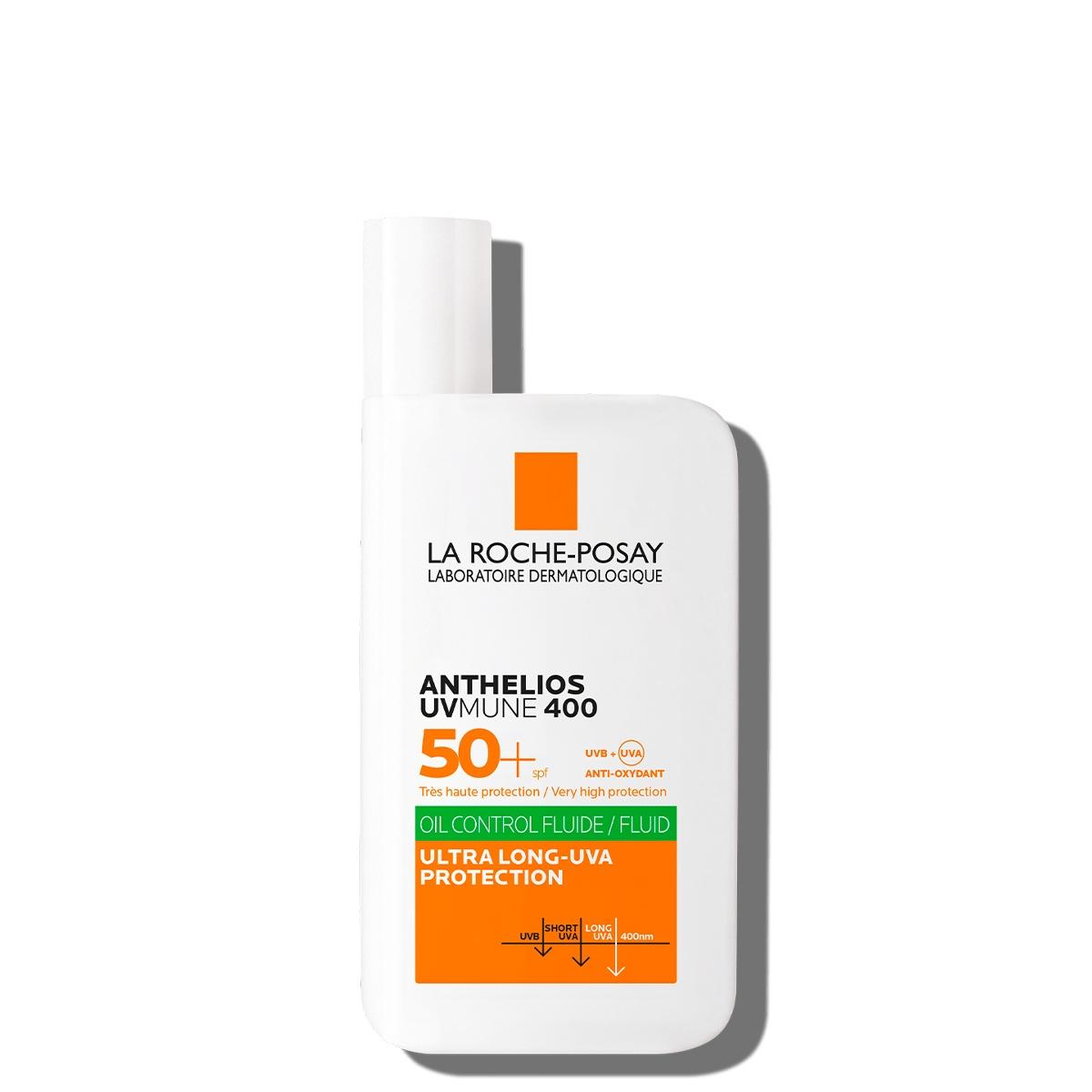
For oily or combination skin, I would look at light gels and fluids. The Beauty of Joseon Relief Sun Aqua-Fresh is described as a watery, fresh SPF 50+ PA++++. The La Roche-Posay Anthelios UVMune 400 Oil Control Fluid is made for oil control and has a mattifying finish, though it costs more than most of the Korean options. If oily skin is your main trouble, you can also read our routine for oily skin.
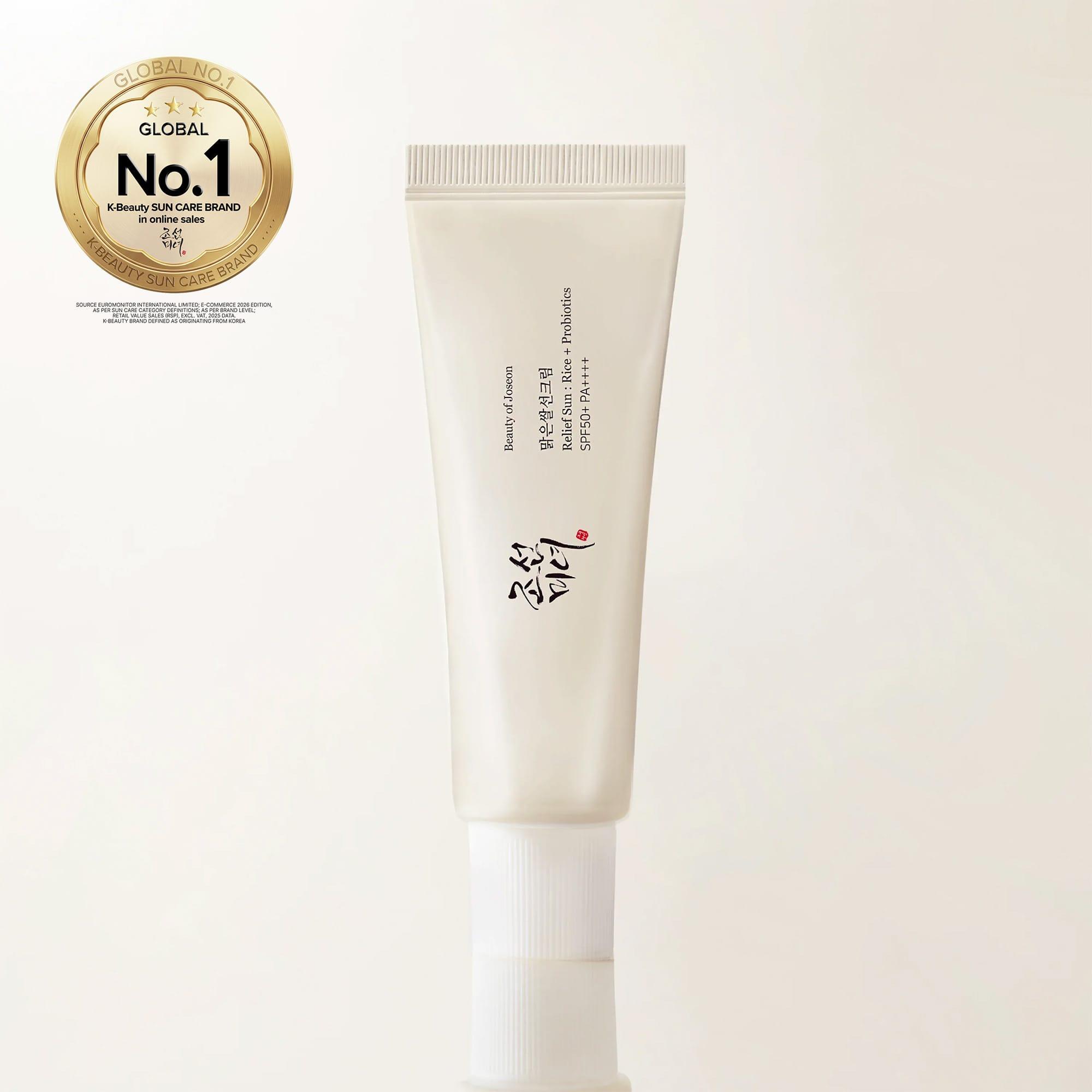
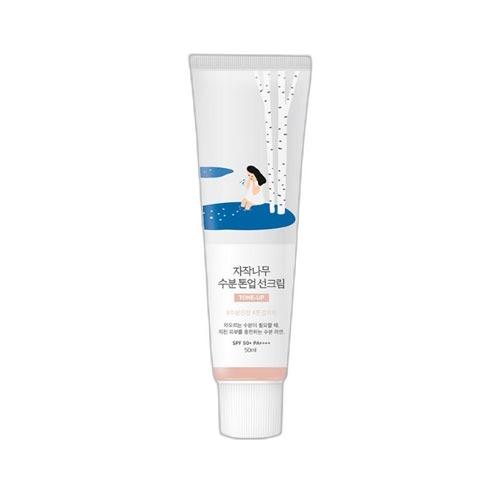
For dry skin, a creamier option like the Beauty of Joseon Relief Sun: Rice + Probiotics or the Round Lab Birch Juice Moisturizing Sunscreen adds some moisture and leaves no white cast, based on the product details.
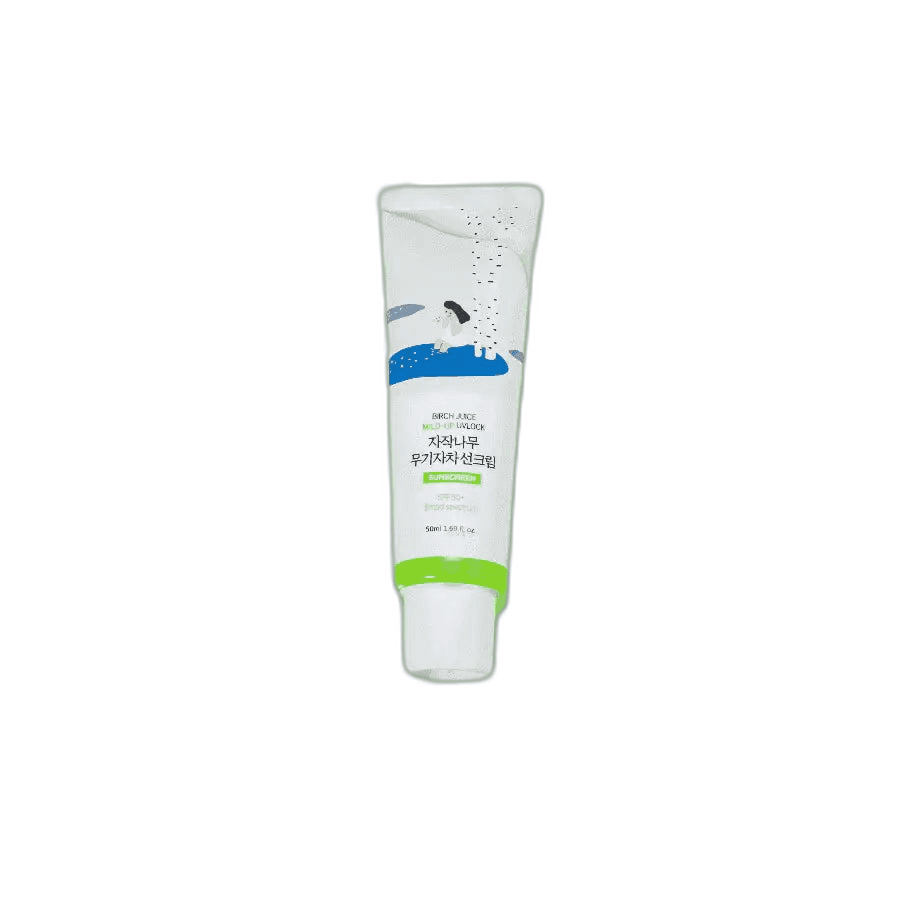
If your skin is sensitive, the Round Lab Mild Up Sunscreen is a mineral formula with zinc oxide that the brand says suits sensitive skin too. Do a patch test on the inner arm before putting any new sunscreen on your face.
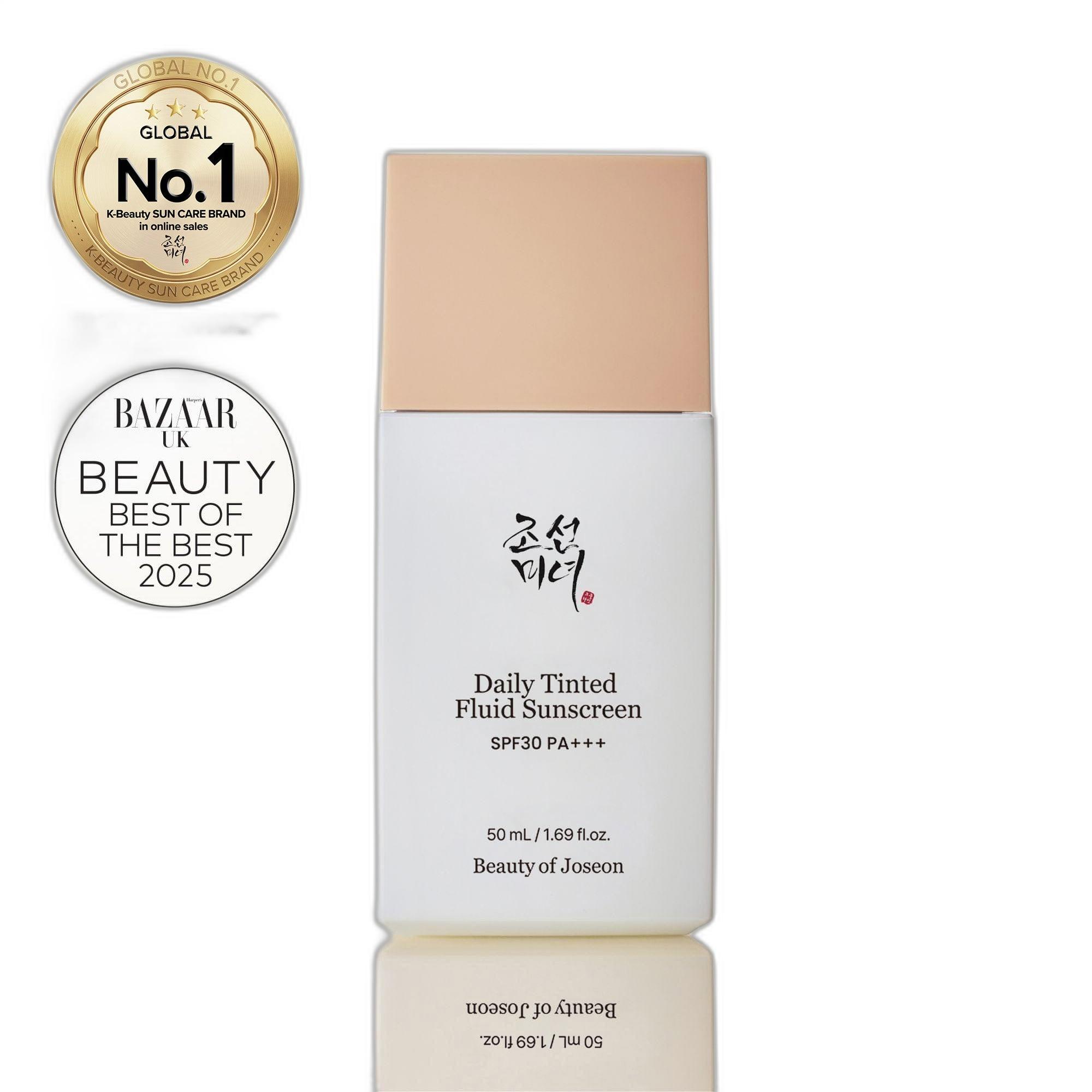
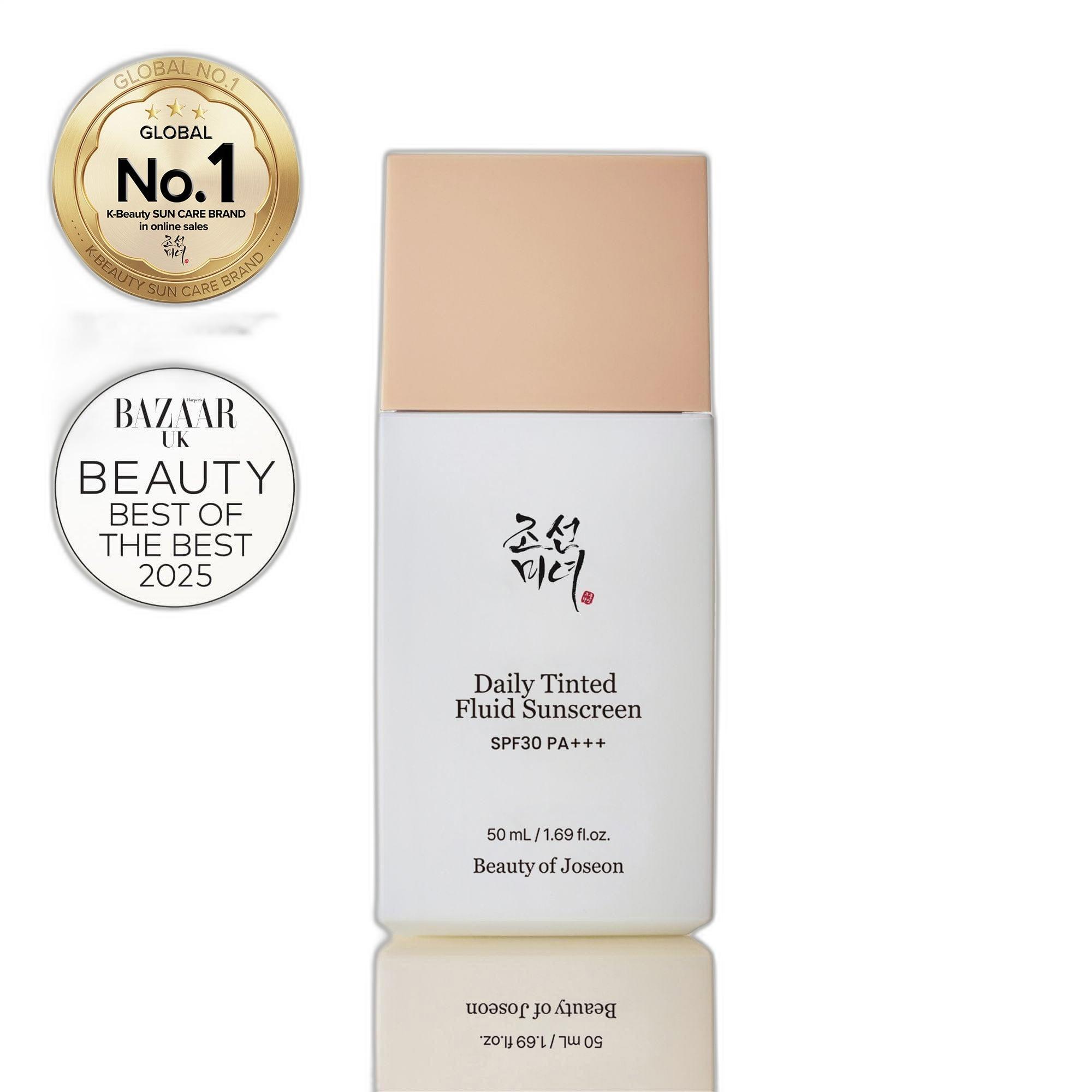
For a darker skin tone, white cast is the thing that stops people using sunscreen at all. The tinted Beauty of Joseon Tinted Fluid Sun in DY 300 is described as having zero white cast on deep to tan skin tones, and the DN 310 is for deep neutral tones. We also wrote a full list of Korean sunscreens with no white cast.
Monsoon versus winter
In the monsoon, sweat and humidity break sunscreen down faster, and a heavy one feels like glue. A lighter fluid or gel is better. Do not think rainy and cloudy days are safe. Clouds do not block all UV. In winter the air is dry and dusty, and a slightly richer cream sunscreen feels fine, even nice. If you can only afford one bottle for the whole year, go lighter. A light sunscreen on dry skin can be fixed with a moisturiser underneath, but a heavy one in July cannot be fixed at all.
Our guides to monsoon skincare and sun protection at high altitude go deeper on each season.
Mineral or chemical
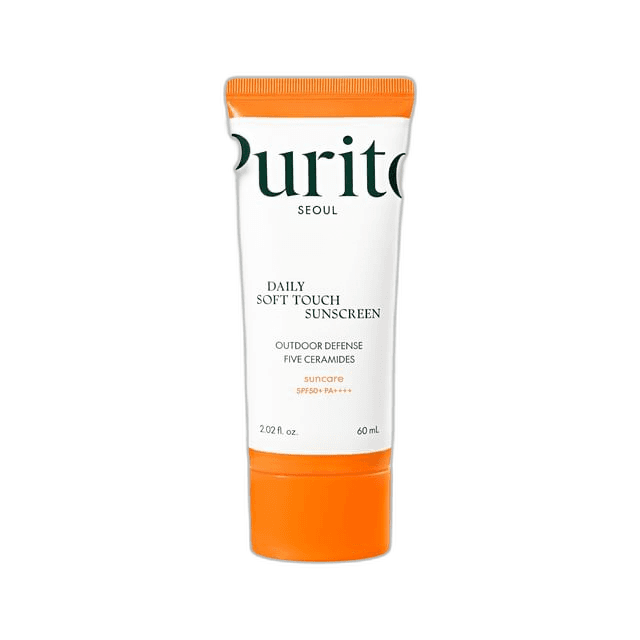
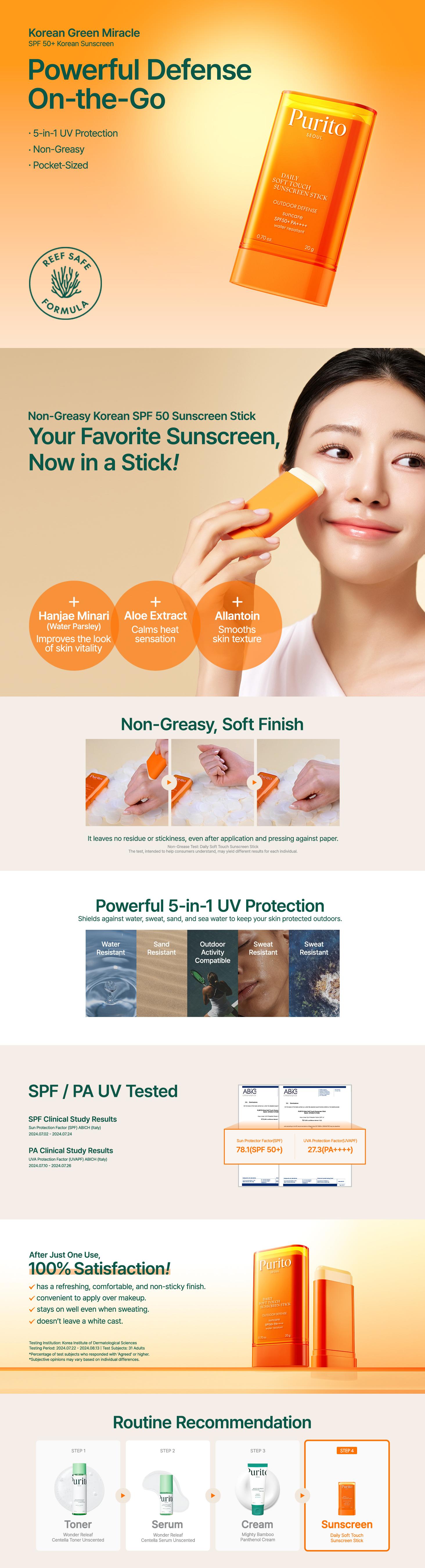
People argue about this a lot. Mineral sunscreens use zinc oxide or titanium dioxide and sit on top of the skin. Chemical ones use filters that absorb UV. Both work if applied well. Mineral can leave a cast on deeper tones, and chemical can sting some eyes and sensitive skin. I do not think one is better for everyone. Pick the one that feels good enough that you reapply. For example, the Purito Seoul Soft Touch Sun is a chemical sunscreen, and the Round Lab Mild Up above is mineral.
Reapply and remove it
Put it on as the last step of your morning routine, about 15 minutes before you go out, and again every two hours or so when you are outside. Over makeup, a sunscreen mist or stick is easier than a cream. At night, remove it with an oil cleanser, then wash again. Read double cleansing explained for how.
One more point. Fake skincare exists, and popular products like sunscreen are easy targets. Check any bottle you buy at cerinebeauty.com/verify, and browse the skincare category to see what is in stock. Prices change, so always look at the product page.
Frequently asked questions
Do I need a different sunscreen for monsoon and winter in Kathmandu?
Not strictly. A light formula works in both. In monsoon, pick a thinner, more water-resistant one. In winter you can use a creamier one if your skin is dry.
Is a high SPF number enough?
No. Check for a PA rating too. SPF covers UVB only, while PA shows UVA protection. And use enough, because a thin layer gives less protection than the label.
Do I need sunscreen on cloudy or rainy days?
Yes. Clouds do not block all UV, and the Valley's altitude makes it stronger. Skipping it on grey days is a common habit and a bad one.
Which sunscreen is best for oily skin?
Choose a light fluid or gel, such as the Aqua-Fresh or an oil-control fluid. Heavy cream formulas tend to feel greasy by midday.
How do I know my sunscreen is original?
Use the batch code check at cerinebeauty.com/verify. A very low price for a popular sunscreen is a red flag. Cerine gives a full refund or replacement if a product is found inauthentic.
Can you deliver sunscreen outside the Valley?
Yes, to all districts of Nepal. Order through WhatsApp at +977-9747744400.